

In counseling the British writer Robert Graves on a possible move to Majorca, Gertrude Stein called it “a paradise – if you can stand it.”
And that is as good an explanation as any of the complicated relationship many people have with Jimmy Buffett. The man sold a brand of paradise. Millions bought at least some version of it – be it a beachy lifestyle, the music, a devotion to margaritas, Hawaiian shirts and sandals, sportfishing, sailing, and all the Margaritaville bars, retirement communities, casinos, resorts …
Buffett wasn’t the first to turn a lifestyle into a commodity but few seem to do it better. Maybe Donald Trump. These days you can be a cradle-to-grave Parrothead with apologies toward none. More than anything, we worship success and if a guy sells a million records or makes a million dollars, he will find no shortage of admirers.
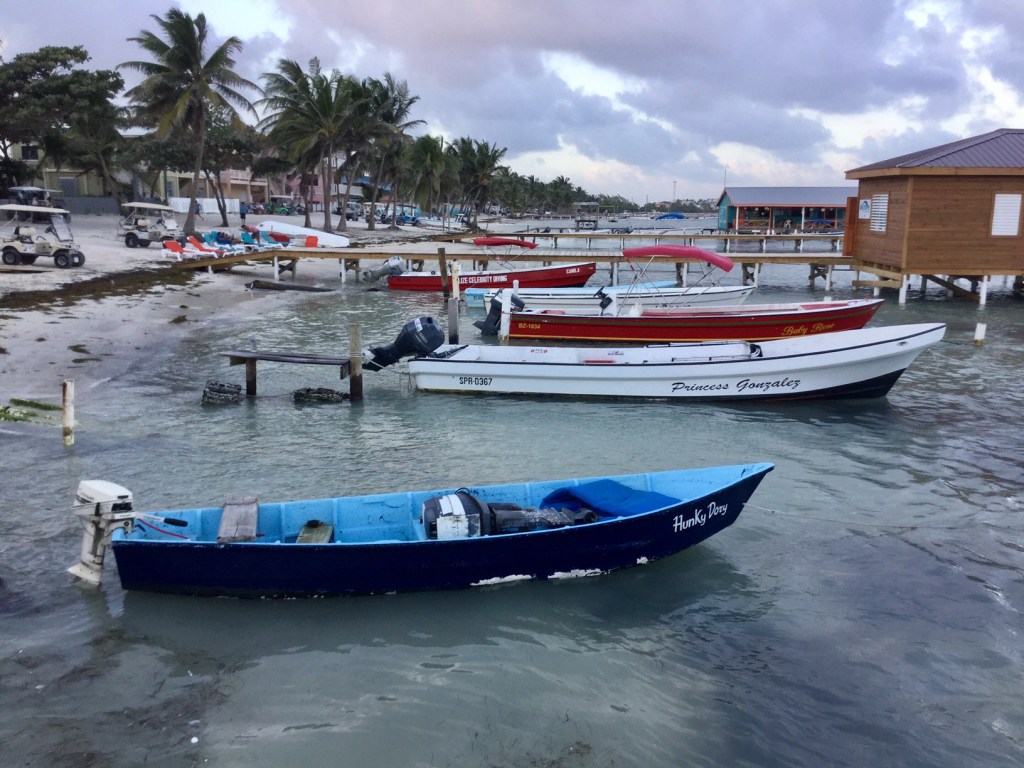
Buffett’s brand of paradise was pretty idealized. An easy breezy beachside life, colored with too many margaritas and cold beers – preferably his own label, Landshark – and tinged with regret when all your various bad decisions come to light – all wrapped up in pleasant country-pop tunes.
Getting wasted is the recurrent theme – trash cans at Buffett concerts were commonly accepted as vomitoriums – but you didn’t have to buy the lifestyle to enjoy the music.
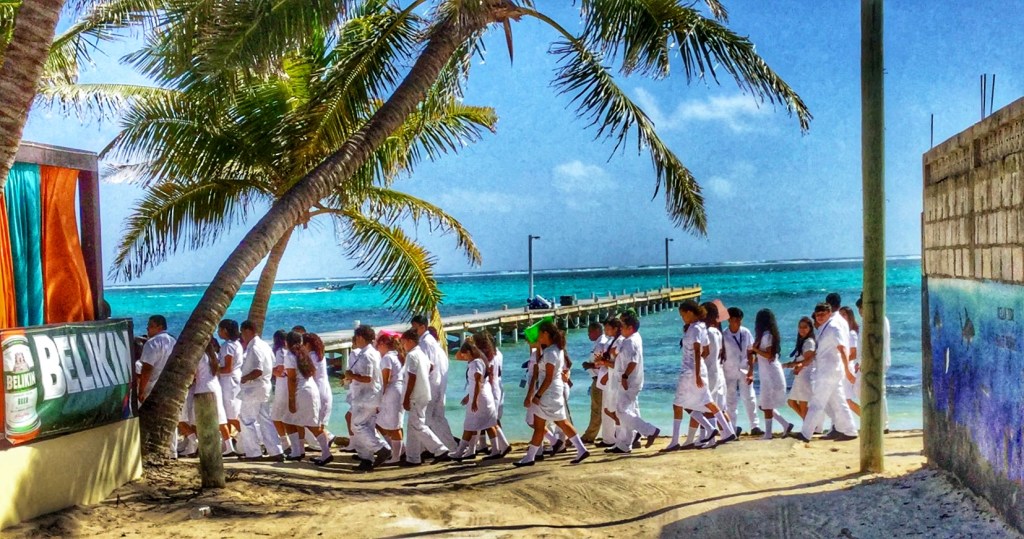
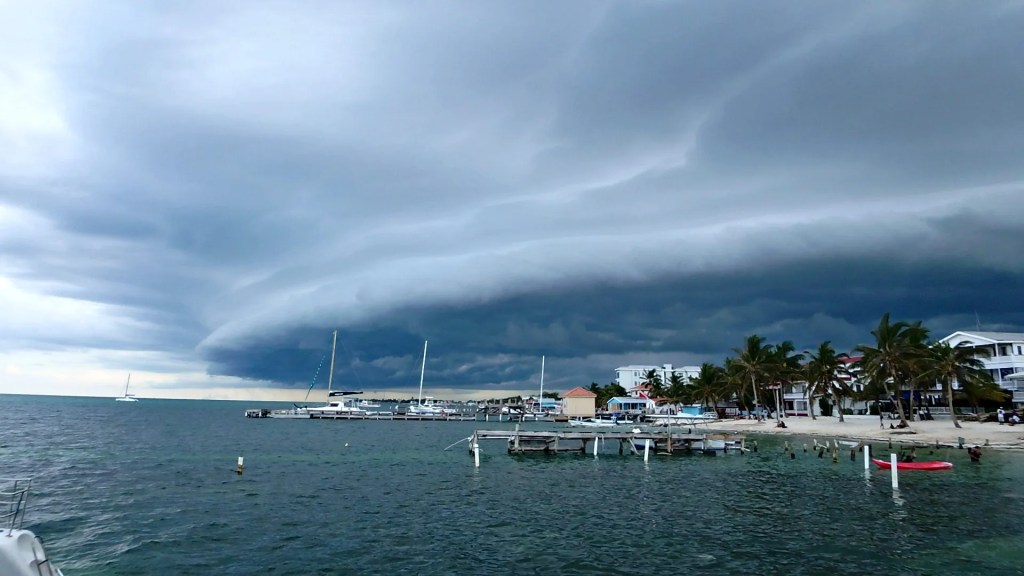
I’m not much of an expert on Buffett’s music but after living on a tropical island for five years, I’m pretty familiar with the lifestyle. In fact, our particular island plays a prominent role in Buffett’s novel “A Salty Piece of Land” and not just the foam-dancing scene. He used to drop anchor in our front yard.
Paradise is hard work. Especially after the song ends and the margaritas run dry. Things break down, the cistern runs dry, the mosquitos are voracious, the hurricanes always over the horizon, the heat makes you stupid, and the party never stops because a fresh batch of thirsty tourists arrives every week.
It’s the opposite of rock stars on the road. “Fans want to party hard with you after the show and you do,” a musician once told me. “Then you travel to the next town and it is the same thing all over again. And the next. And the next.” On the island, the party-hard crowd comes to you in weekly batches.
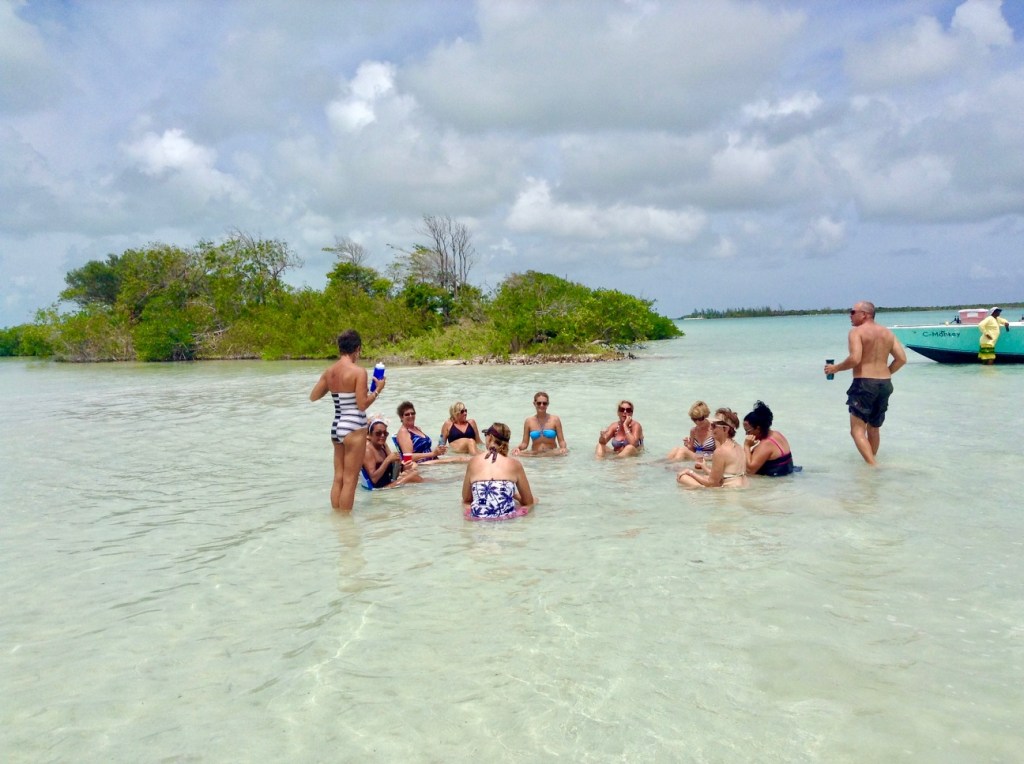
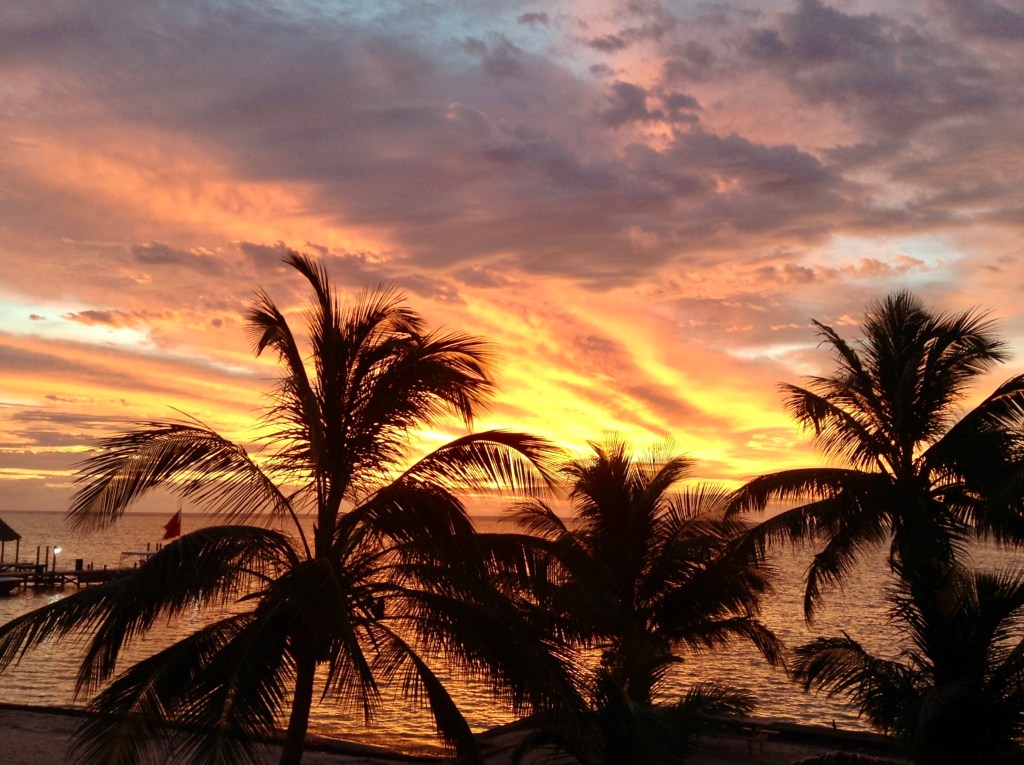
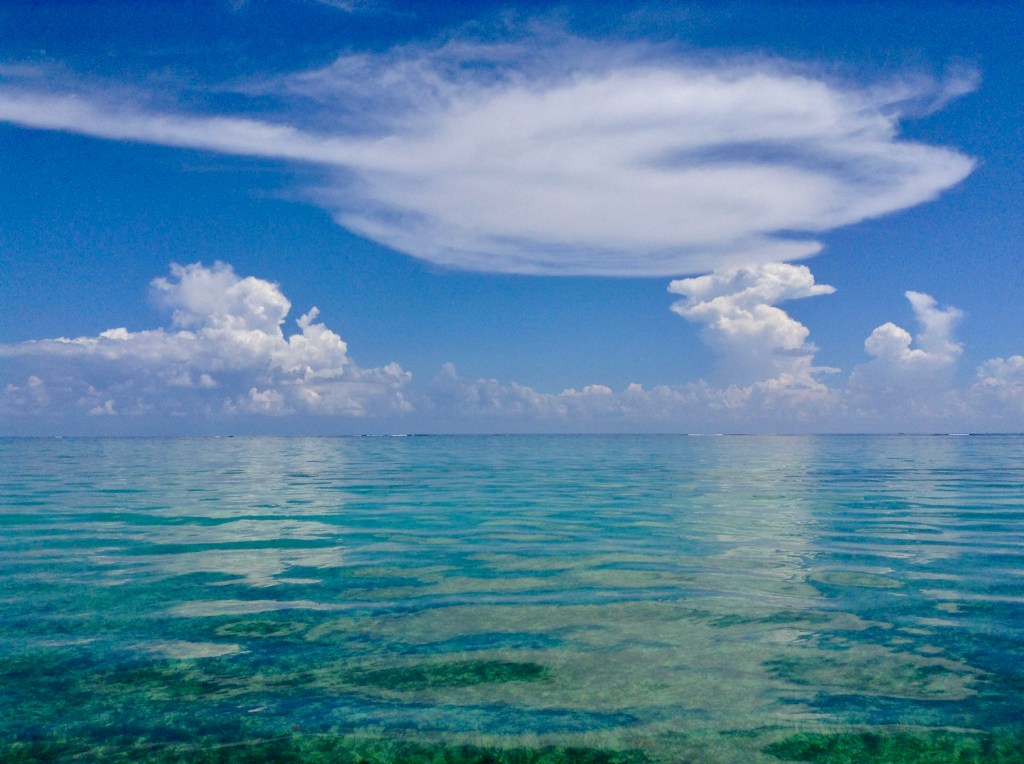
People don’t want to hear that though. They prefer the version where we lived on the sand, a few feet from the Carribean, with the barrier reef only minutes away by kayak. Where the sunrises compete with the sunsets for glory. And some of the tropical fish among the coral have first names. All of which is also true.
Island life offers three gifts to those who want it: time, solitude, and friends. I learned to cherish all three.
It feels kind of pointless to figure out whether Jimmy Buffett was worthy of the accolades that arise with his passing. Of course, he was. Love him or hate him, everyone knows his name and at least one of his songs. He made a lot of people happy and I suppose there is no end to the number who bought into the fantasy lifestyle.
One story that I’ve always found illuminating has to do with tropical life and cruise ships. And Buffett.
One major cruise ship company decided that the mainland port closest to our island was too dirty, too dangerous, too chaotic, too inconvenient, and too gritty a reality to be profitable. So they bought two islands out on the barrier reef and combined them with dredgings into one big tropical playground which they could foist off on passengers as an authentic slice of tropical life. Oh, and they dredged a channel right through the barrier reef so the ships could dock right alongside the island.
Centerpiece of the island, of course, is a huge Margaritaville bar and restaurant. Or so I was told. Locals aren’t allowed to visit this island unless they are working there.
People come away thinking that they have tasted the tropical life. They haven’t. They just had an alcohol-driven experience that is replicated on cruise ships and Paradisical Potemkin Villages all over the world. The whole thing is about as authentic as the Jungle Cruise at Disneyland.
I guess it is a shared experience and shared experiences create communities. I’m sure Margaritaville t-shirts generate cries of recognition – “Dude! Which one did you go to?” – from fellow community members around the globe.
Another Buffet moment: In the 1980s I was sent to cover a Buffett concert at the Del Mar Racetrack. It was among the first big-stage headliner shows at the track. Maybe the first. There was a huge problem with sightlines, including my own ticket which put me so far to the right of the stage that I couldn’t see the band.
At the box office, I found a long line of unhappy Parrotheads with the same problem. Seemed to be a more interesting story than the concert itself. So I talked to a lot of the fans about their disappointment and not incidentally how much they loved Buffett and his music.
That story generated a call from Buffett’s people who said that anyone disappointed with the show would get a full refund on tickets. That was a class move by a guy who did not cause the problem but cared about the fans. That’s the image of Jimmy Buffett that I’ve carried over the years.
A Parrothead lifestyle was never mine to desire. Living remotely is cool and even cooler on a tropical island. For a while. Abandoning the civilized world and reinventing myself as a shiftless — or shifty — pirate in a ponytail and seashell necklace was never the goal.
Over time, the gorgeous repetitiveness of island life can grow suffocating. Just another god damned beautiful day in Paradise.
To paraphrase Norma Desmond, “I am still me, it’s the island that got small.”
In our own tropical community, the ashes of a beloved Parrothead-type dude were carried down the beach from bar to bar in an inflated shark float by members of the local drinking club, the Walkaholics. At the last bar, a wake was held and Walkaholic t-shirts shirts and leis were everywhere, even on the local beach dogs. The most-devoted turned around and bar-crawled back up the beach.
Don’t get me wrong. This was a touching experience and the grief was real. As were the next day’s hangovers.
It was also a galvanizing moment. I loved the island, warts and mosquitoes and all. But I don’t want my ashes to be carried through the village in a bright-pink inflatable. It reminded me that I still have work to do and on the island, I wasn’t getting it done. (Also, my wife, Rose, and I were both working too damned hard.)
We traded island life for a home in central Mexico where (almost) nobody sings Buffett songs in the bars and people trade books more often than shots of tequila.
No lifestyle is a wasteland unless you choose it to be. We left behind wonderful, engaged, thoughtful friends — and saw just as many move on to lives elsewhere on this planet. We are part of a diaspora of former castaways on an island Paradise. Not one ever mentioned Jimmy Buffett to me.
Herman Wouk came away from life on a tropical island with the classic “Don’t Stop the Carnival.” Hemingway’s posthumously published “Islands in the Stream” draws from the same. Even Buffett’s “A Salty Piece of Land” is an enjoyable tropical yarn. A copy was given to me by an old salt and lawyer who lived a productive tropical life for 30 years until he was electrocuted during a rainstorm.
Robert Graves? He mulled Gertrude Stein’s cautionary quip, then spent his final 25 years in Majorca.


After thinking about the quote for a few minutes. True…. So true.
LikeLiked by 1 person