
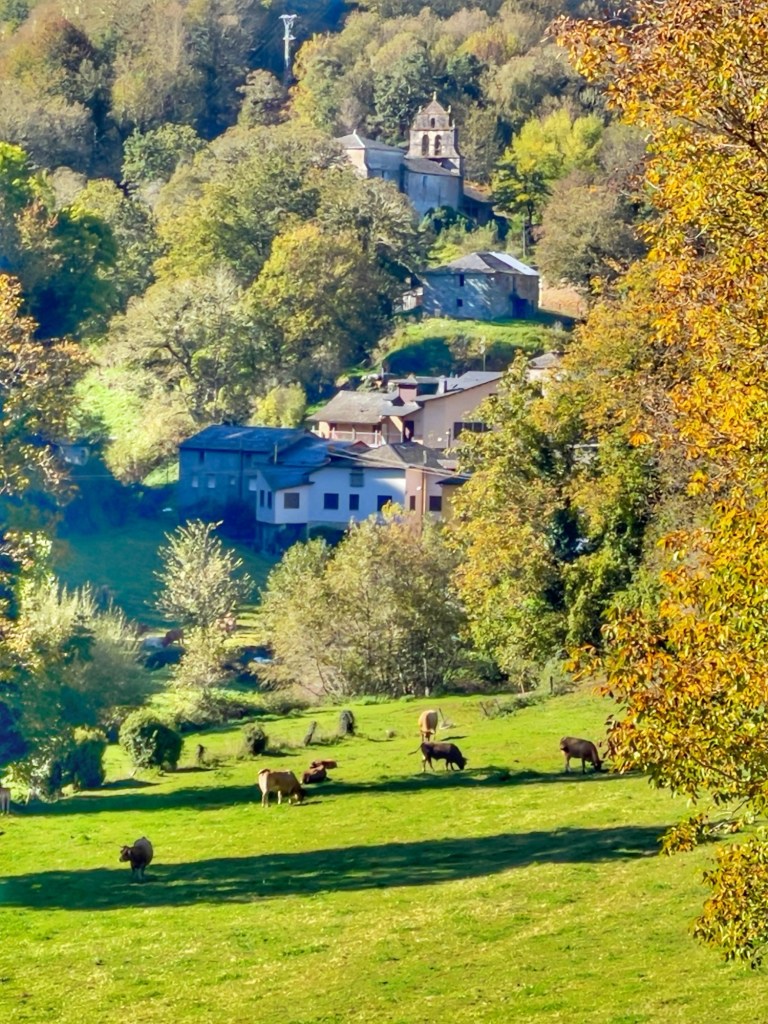
Today was different, for sure.
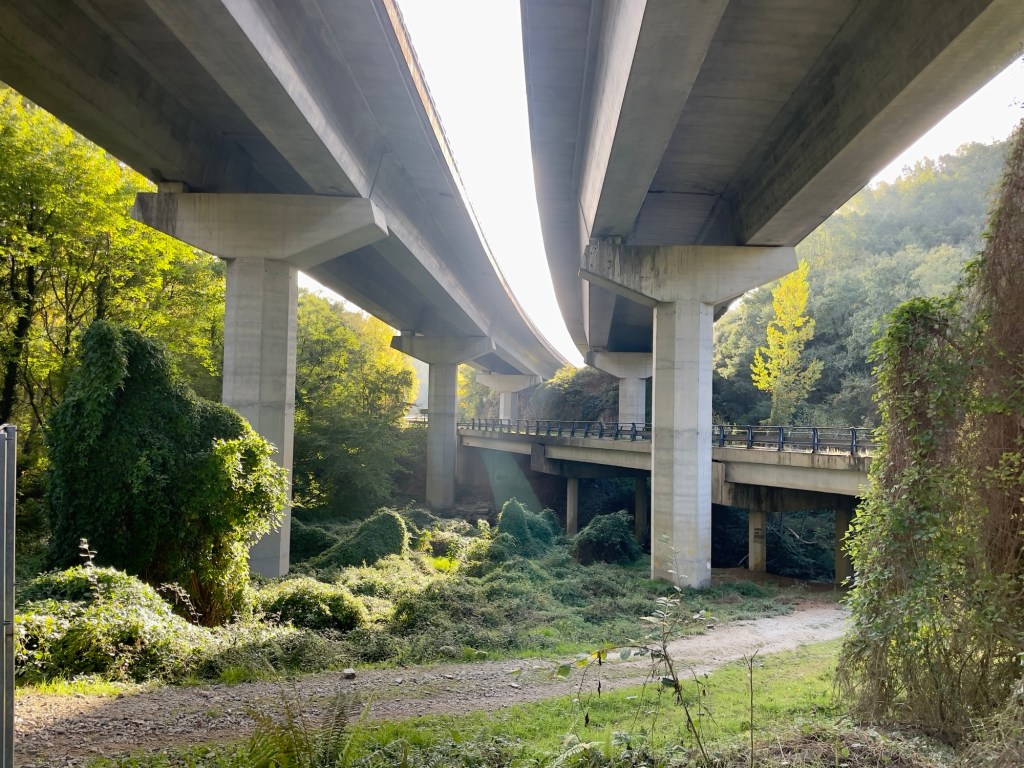
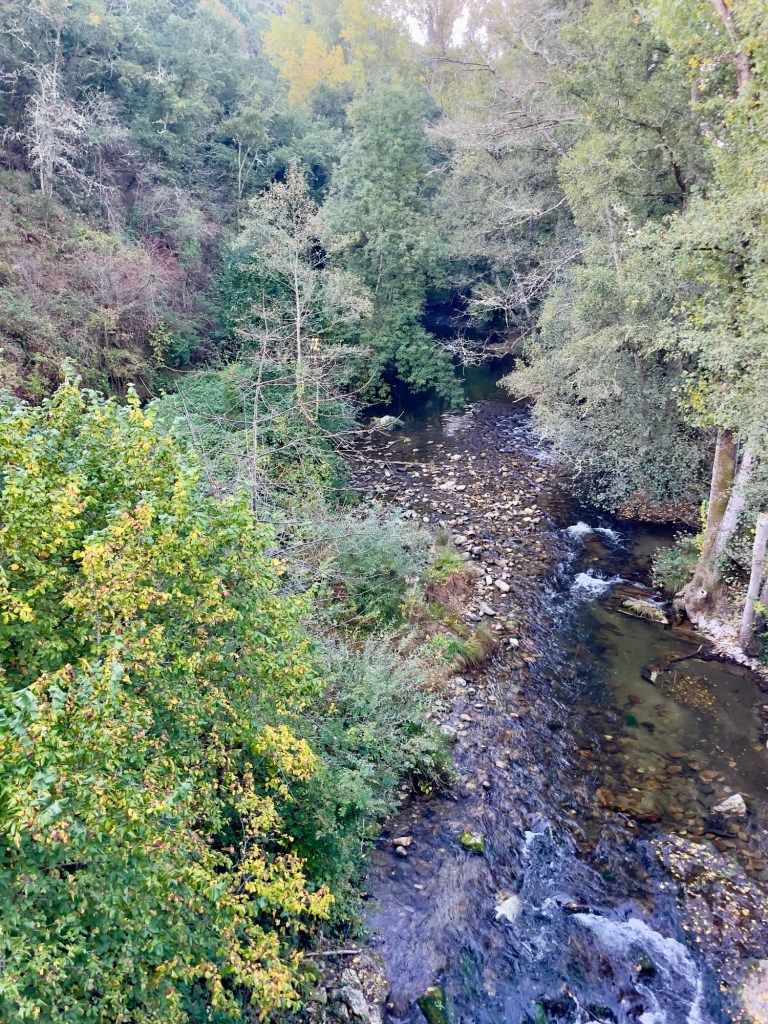
We walked between a very busy road and a lush, beautiful landscape of forest and streams and grazing fields. Overlaying it all was an elevated freeway.
And all of this stitched it’s way through villages in contrasting states of decay and prosperity, often side-by-side.
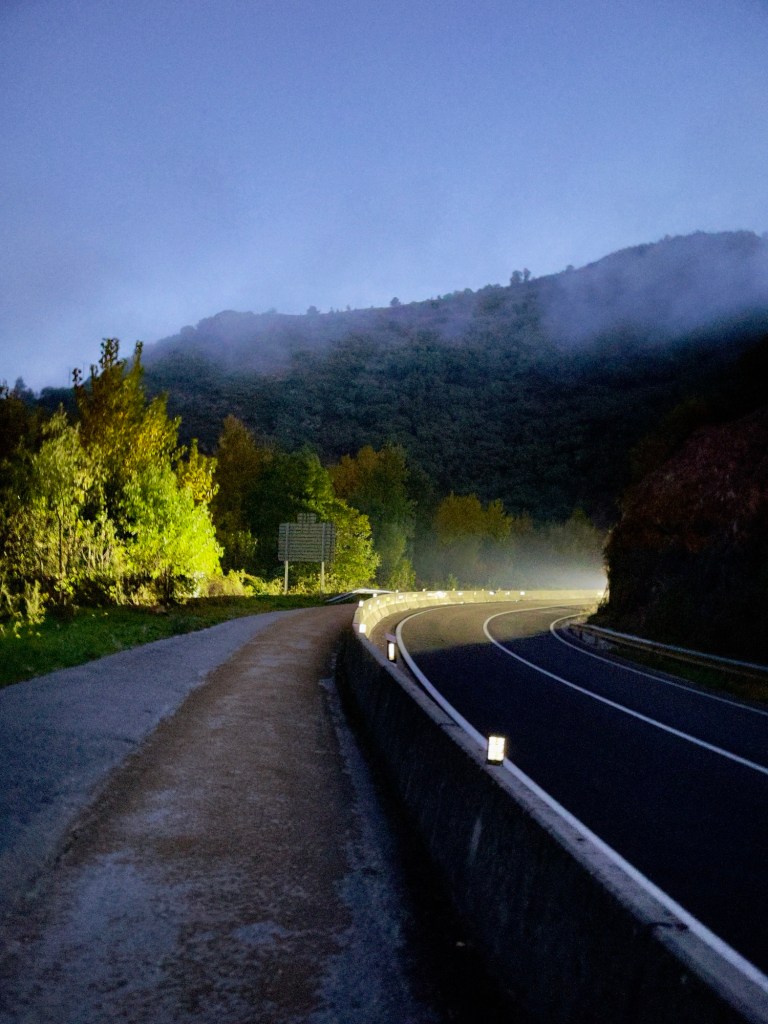
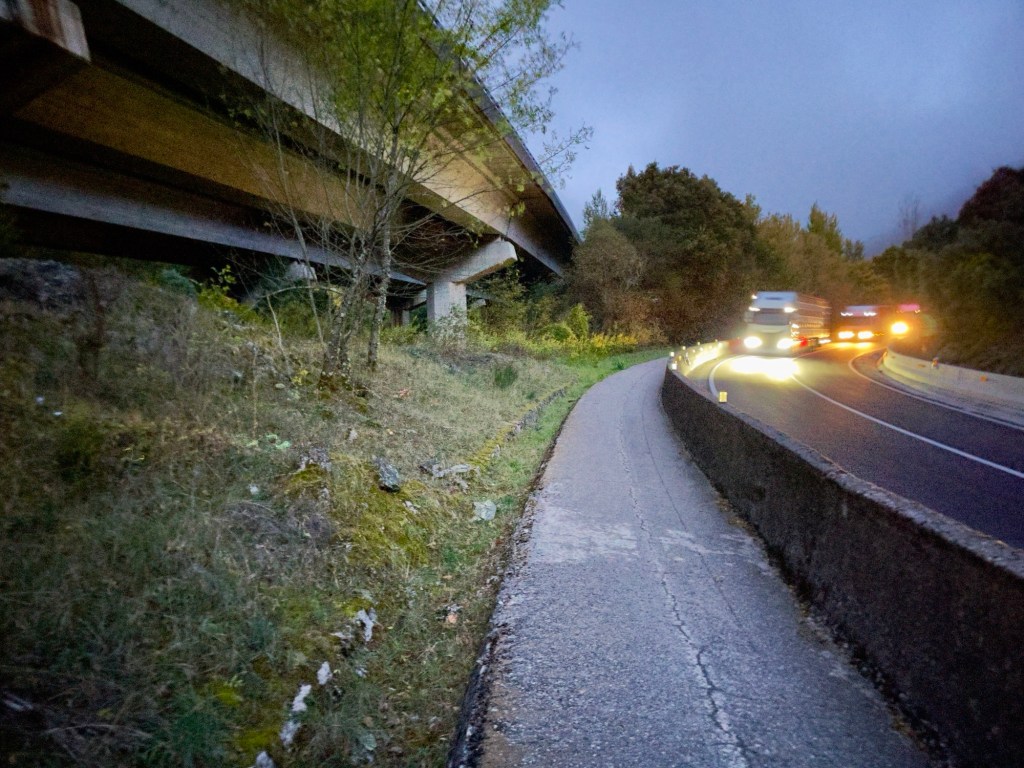
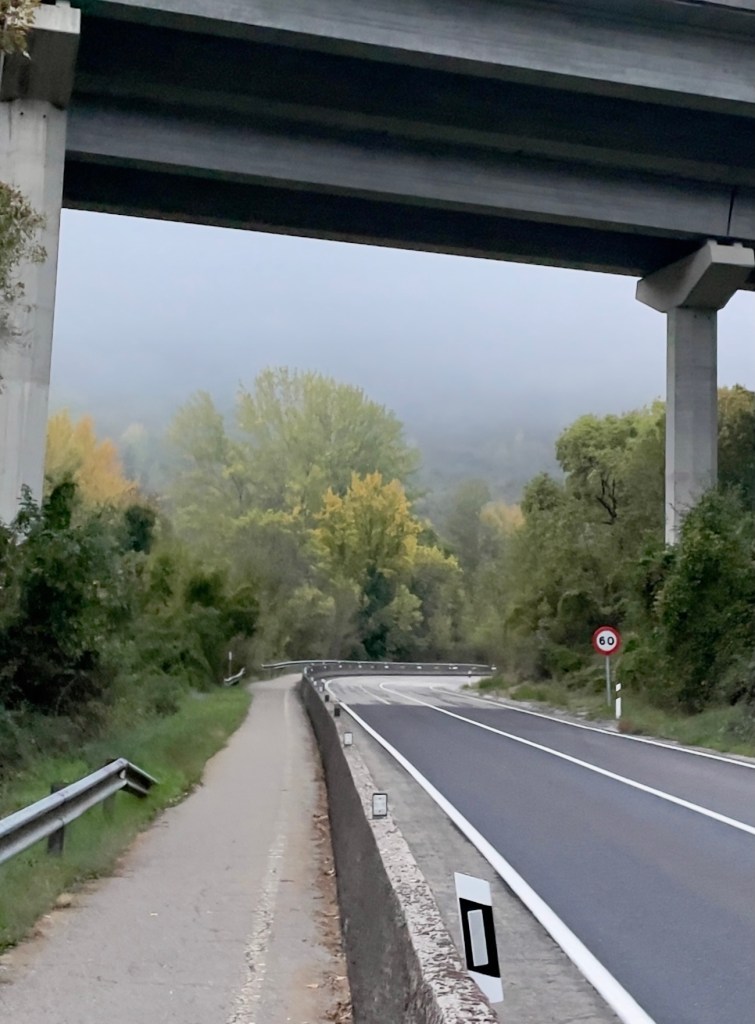
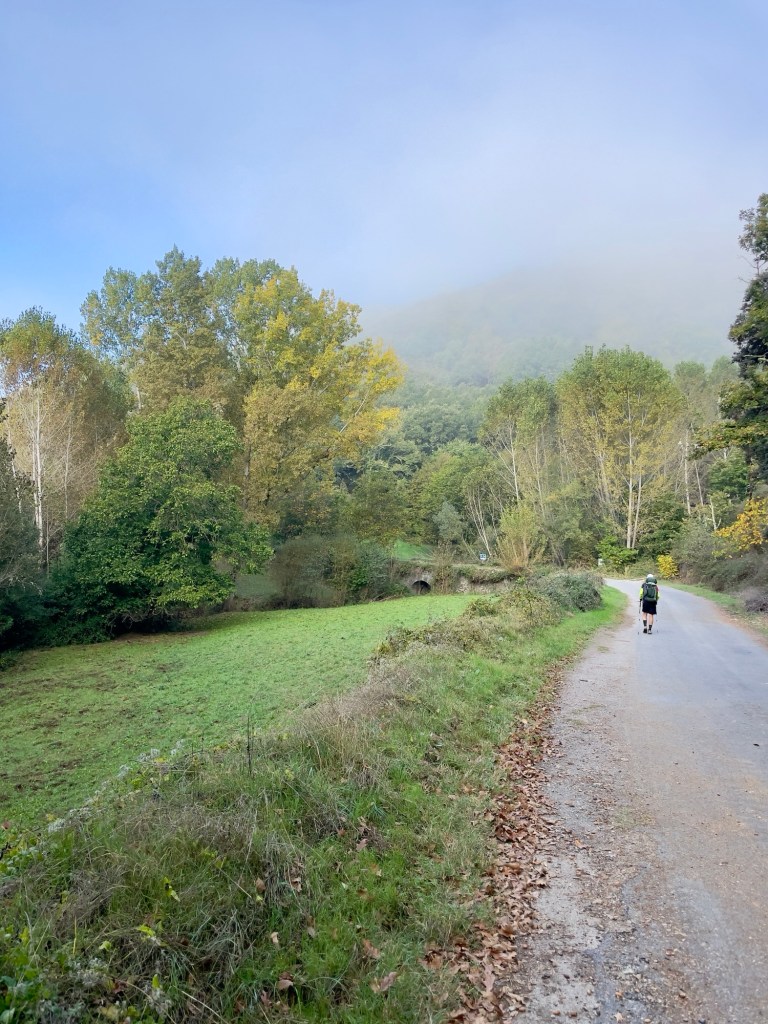
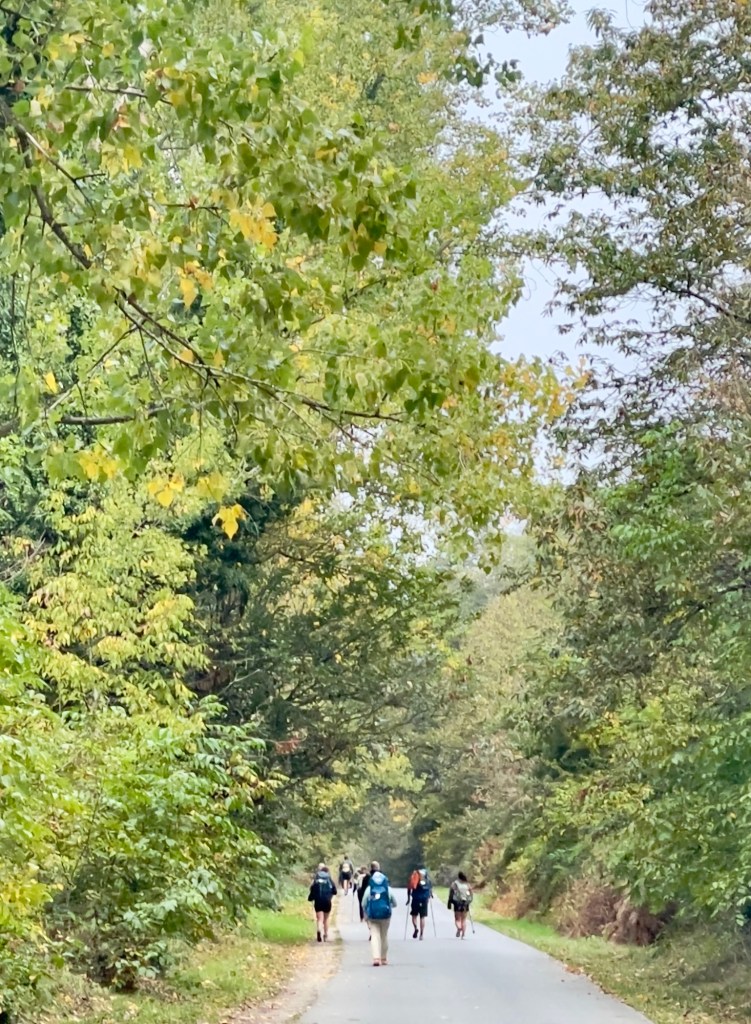
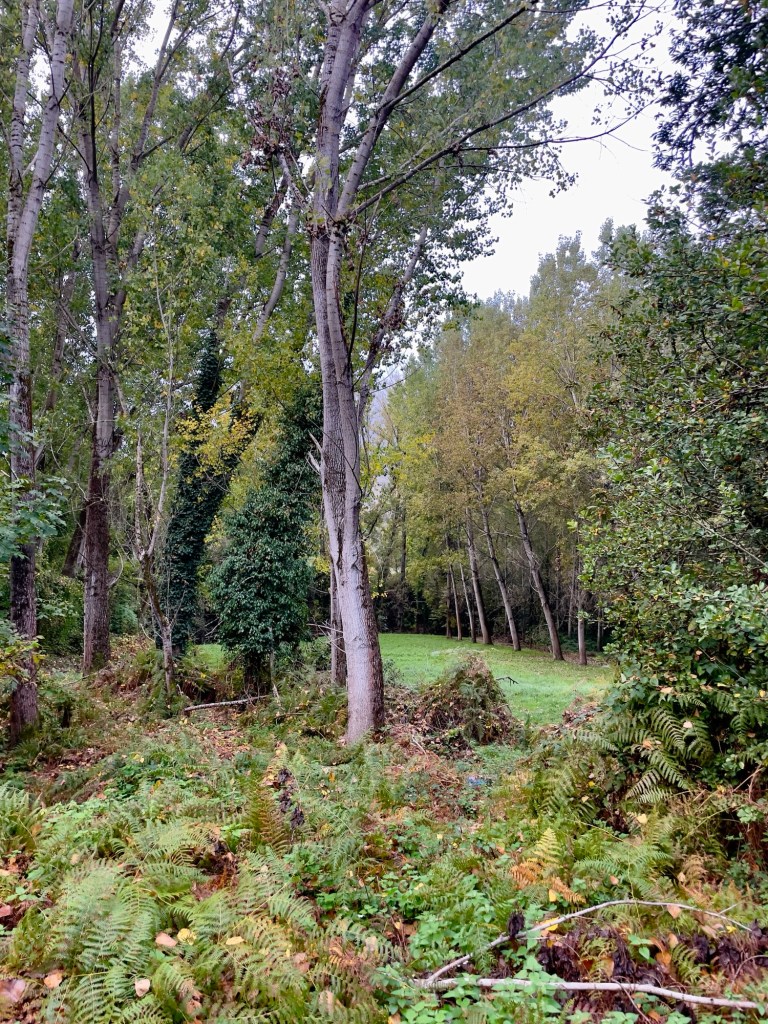
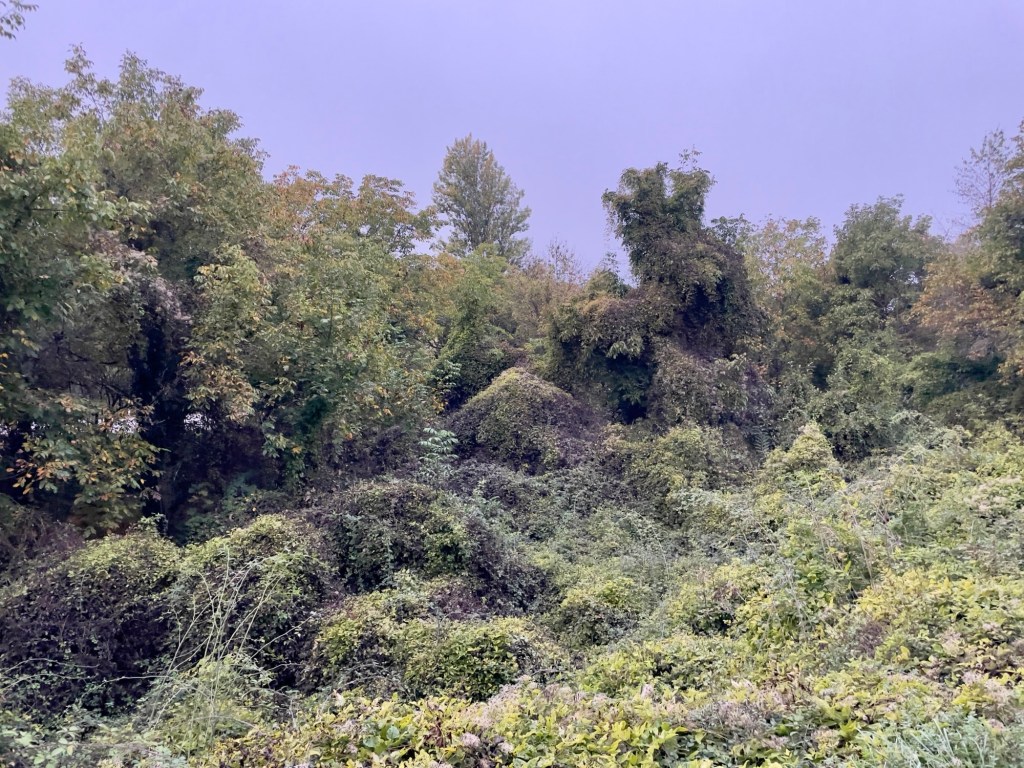
We’re walking through mountain passes now. They rise up on both sides, insurmountable, steep, towering behemoths cast in the rust and red hues of autumn.
They block out the sun until midday and lock in the icy winds and chilly fog.
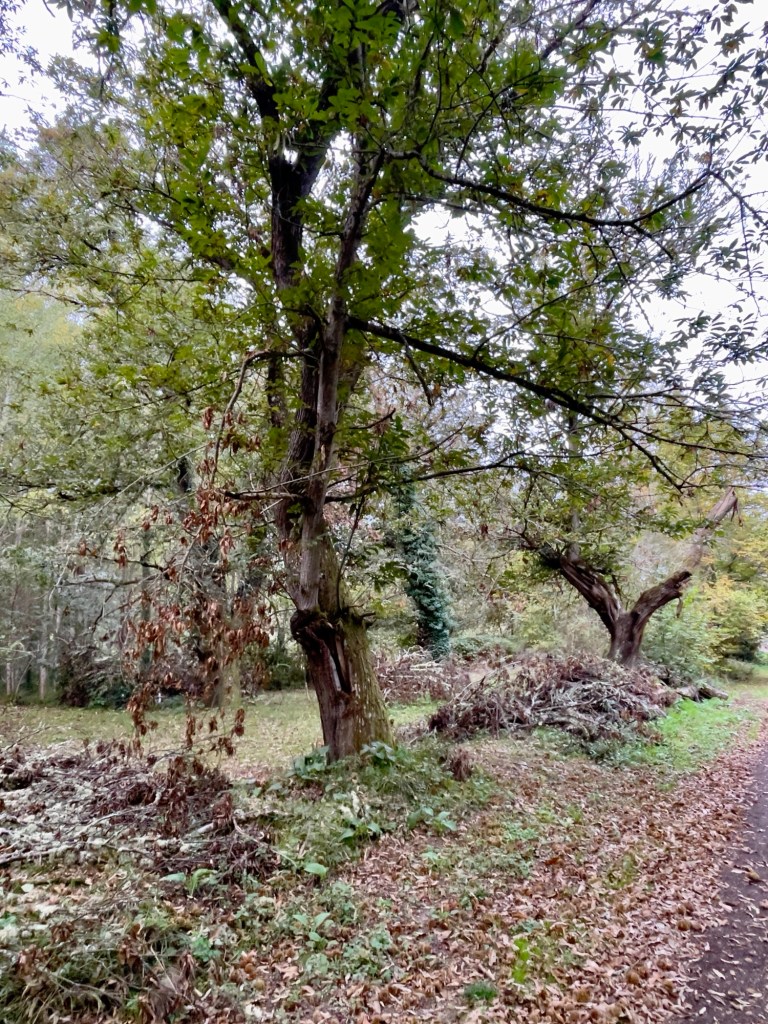
Ancient chestnuts and oaks line the country roads that weave in and out of the busier byways.
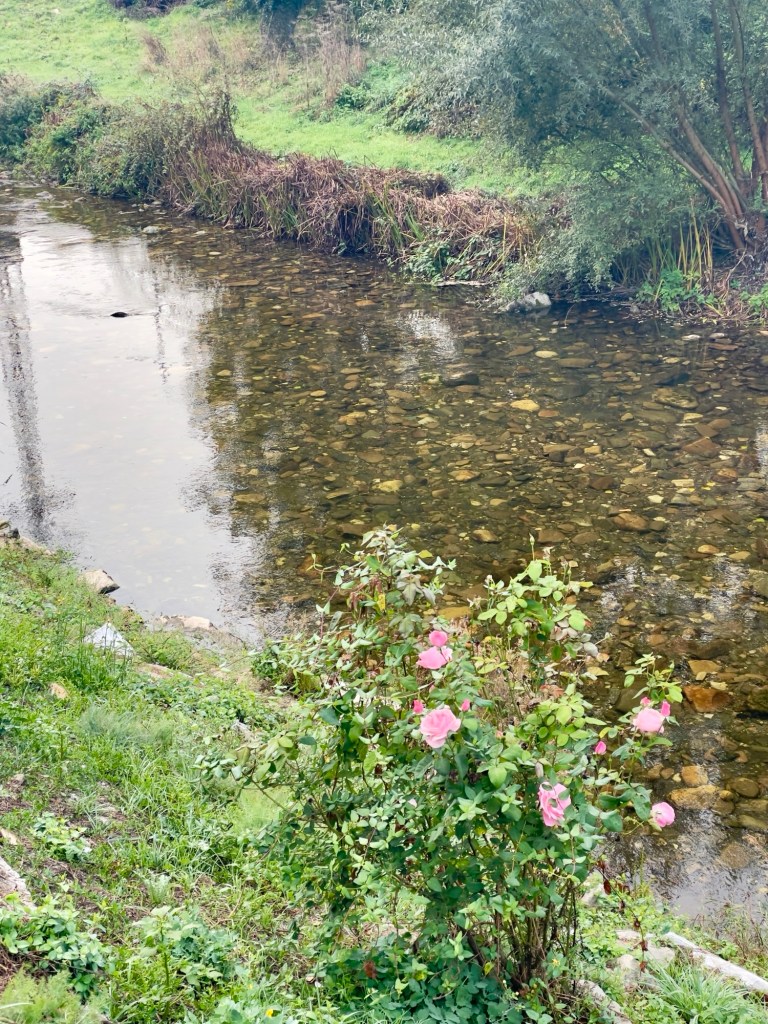
But always, above the din of roaring lorries, the comforting sound of water splashing over rocks prevails. For every road, there is a mighty stream beside it, hand in hand.
As I walk, it occurs to me that I can obsess over the traffic or I can focus on the lush nature.
Easy choice.
It is interesting that the elevated highway — which leaves such a small footprint — has set free so much land beneath to flourish in its natural state.
A good walk indeed.
When we were gods
The Camino only asked 20 kilometers from me today, but it took me back 60 years.
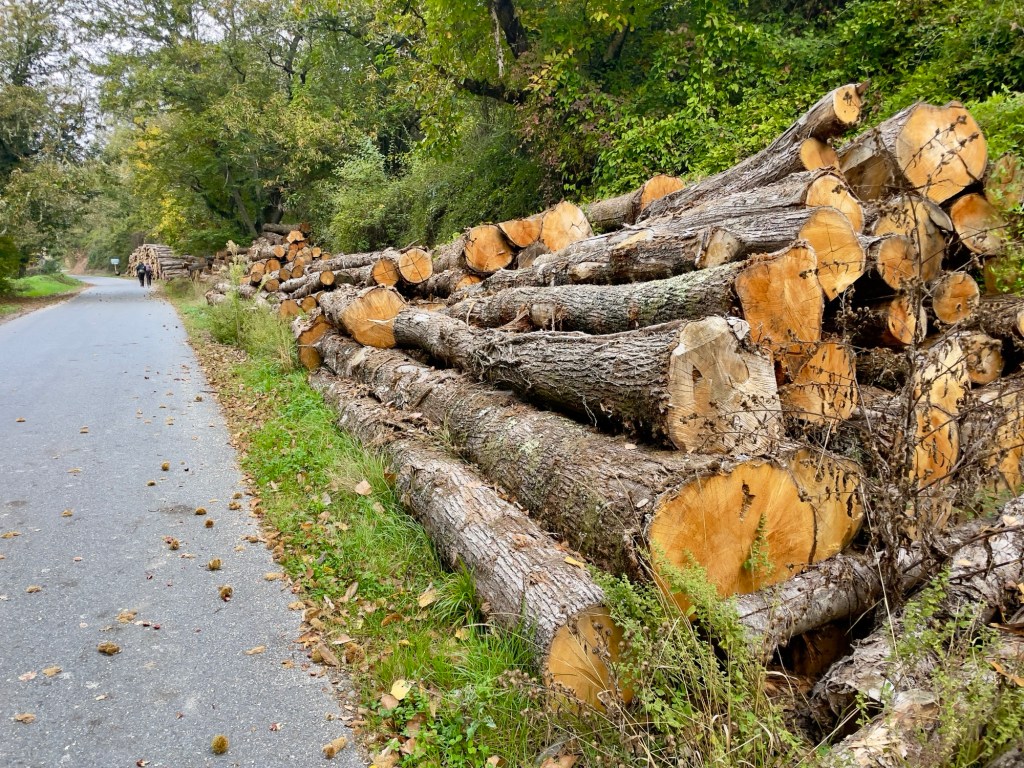
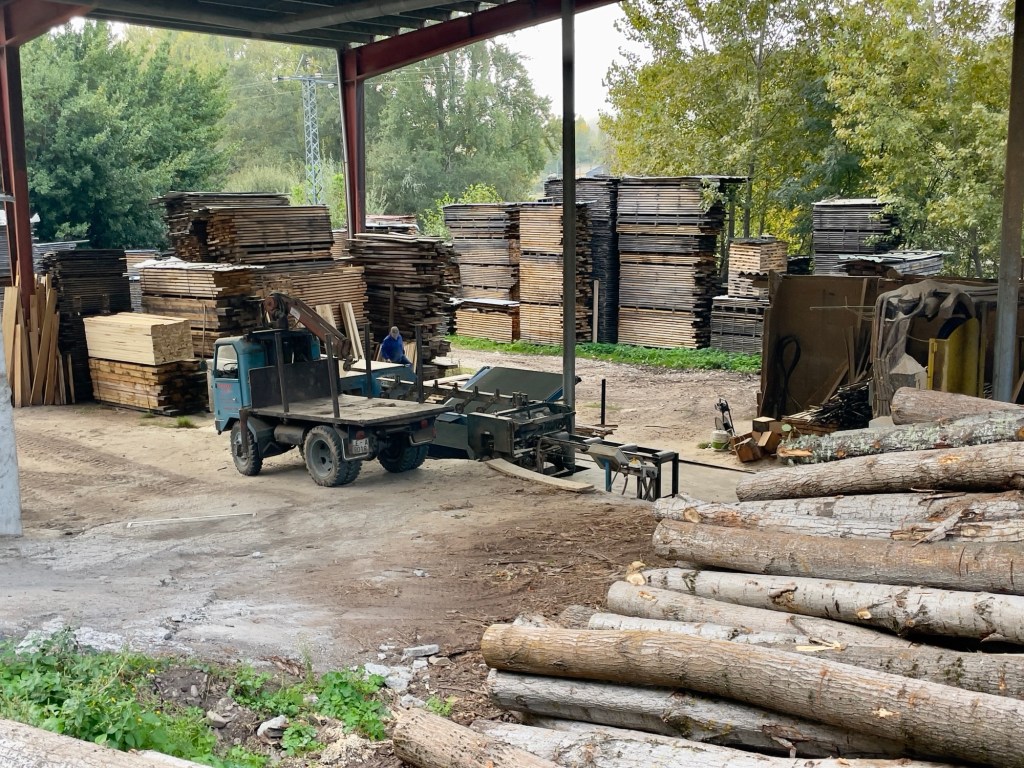
Walking into the mountain village of Trabadelo, the first noticed was stacks of eight-foot logs on the right.
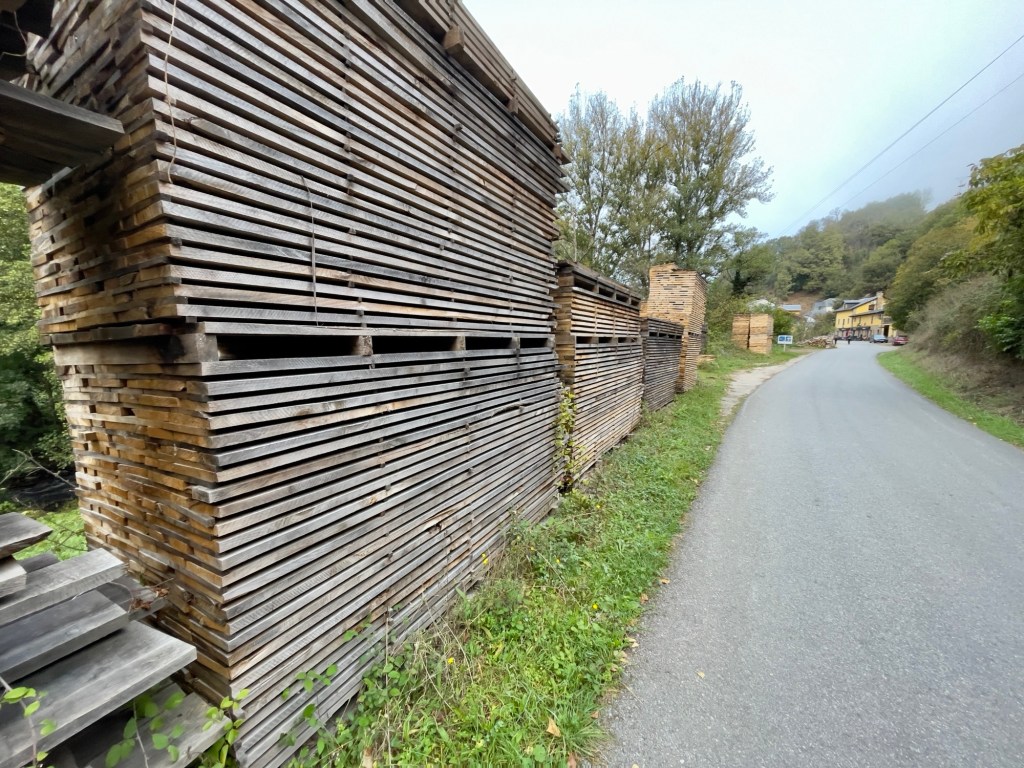
To the left were stacks of cut boards, each row neatly separated for drying. The stacks were squared, sharp corners, no errant lines, no protrusions. Machine-like precision, stacked by hand.
“Somebody takes pride in the work,” I told myself.
Not a lot of people will claim to be connoisseurs of stacks of drying wood, but I do.
As a teenager, I spent summers in central Pennsylvania at a lumberyard, stacking boards to dry. Just like these.
I worked for Matson Lumber. A few of my friends did too. Not coincidentally, all of us were on the Brookville High School football team.
There is no better conditioning program for footballers than picking up boards and carrying them to bins for stacking. All day long.
Sometimes, we’d fill an empty freight car with lumber — big lumber, 12-footers — and pack it so tight you couldn’t smuggle a hobo inside the car.
It was hard works but at the end of the day, we’d drive to the public swimming hole, called The Dam, and dive into the icy cold river, washing away the dirt and sawdust from bronzed, muscular bodies.
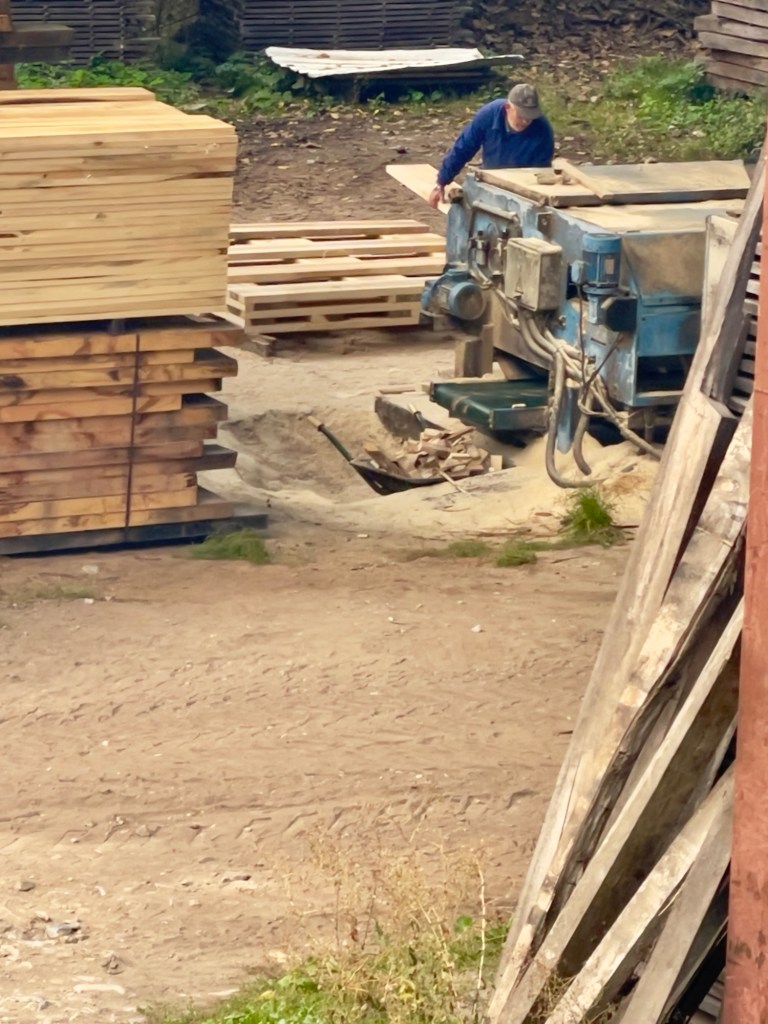
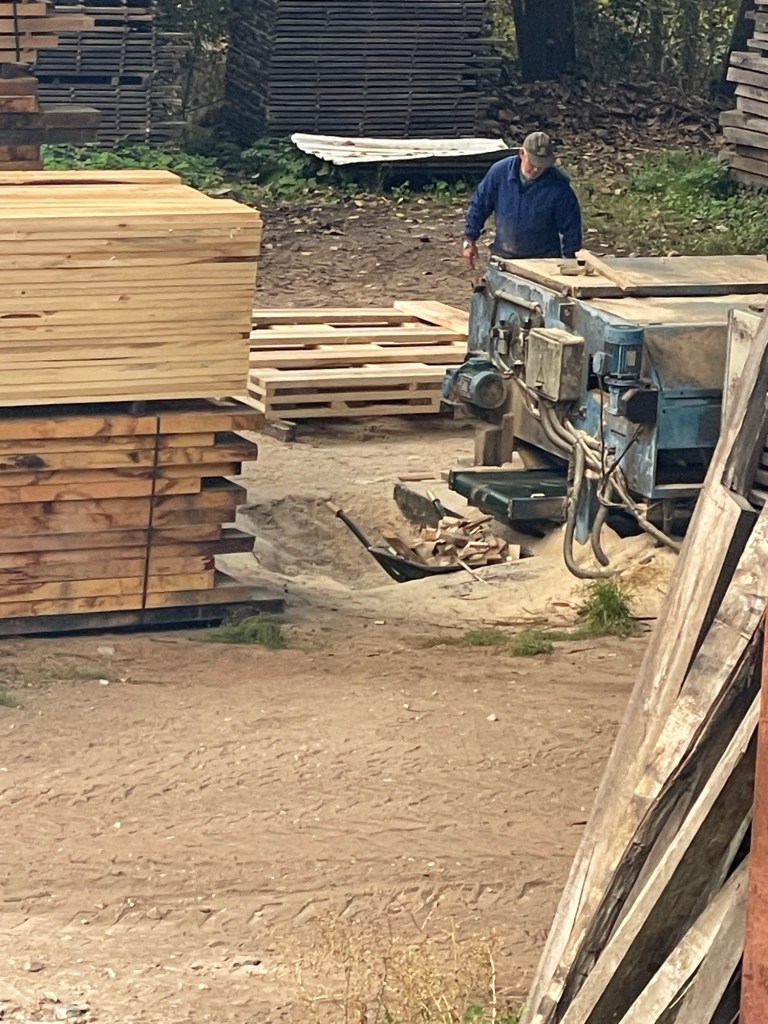
I watched a guy stacking lumber this morning for a while. He did it all by line of sight. We used wooden bins that gave us our dimensions. His stacks were way better. But then, he looked like he’d been at it all his life.
I could smell the fresh-cut wood, the sawdust — today and of my youth.
Sweet memories of when we were young, when we were gods. When we were football heroes.
An element of decay
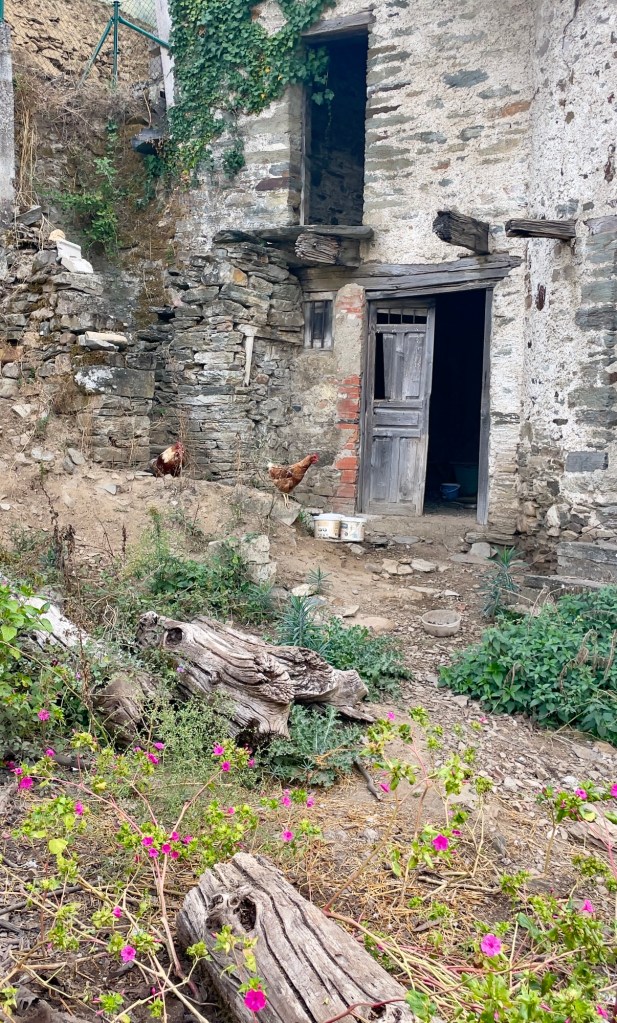
There is a sanitary sameness to all that is modern and renewed.
But decay.
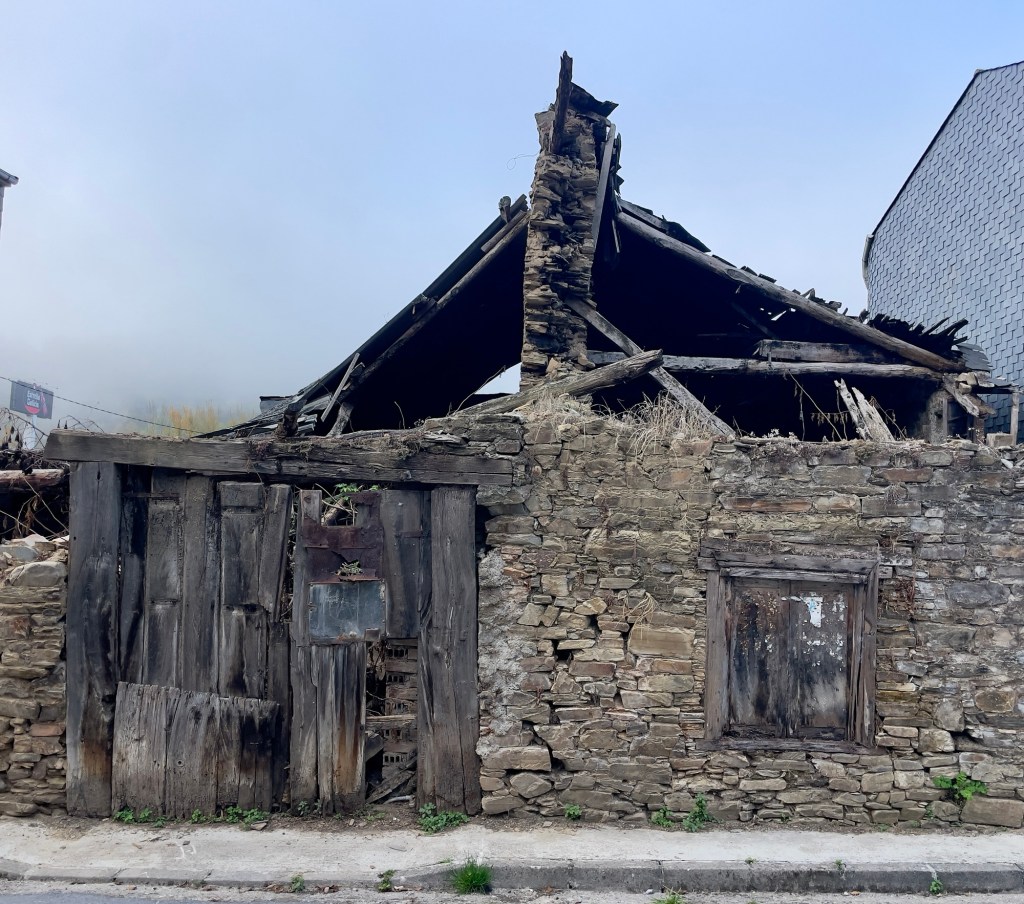
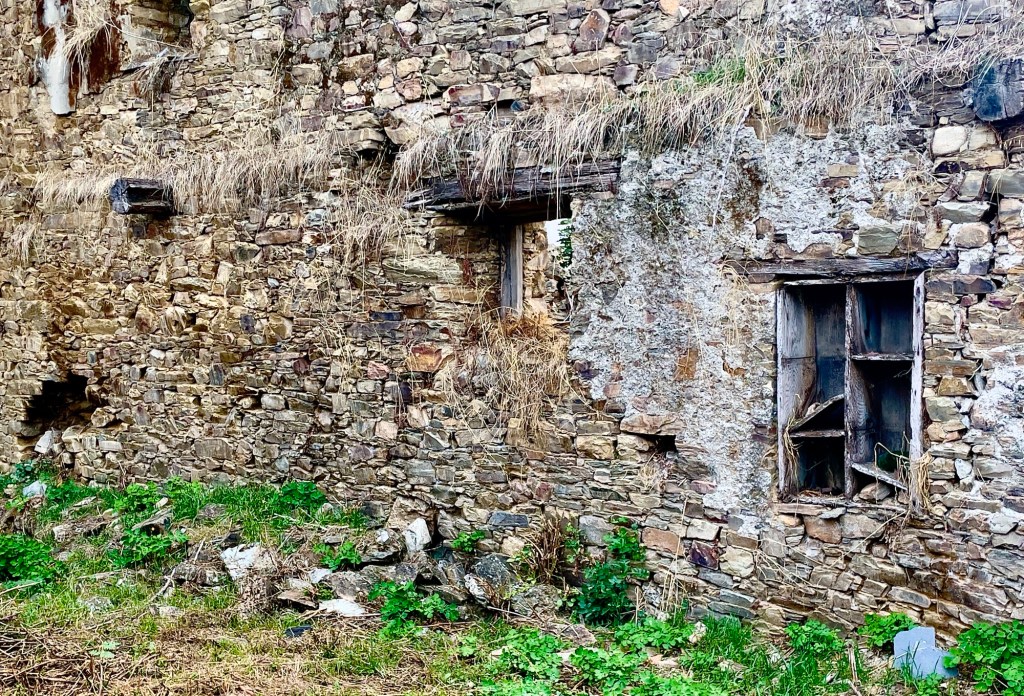
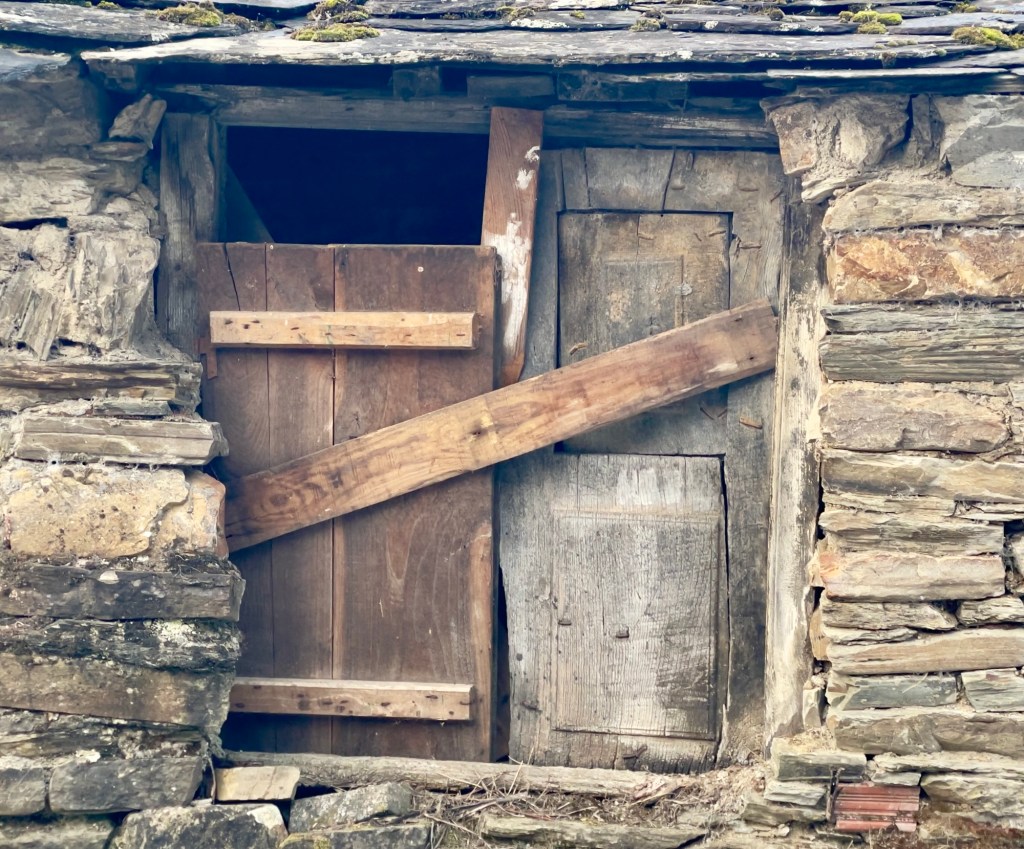
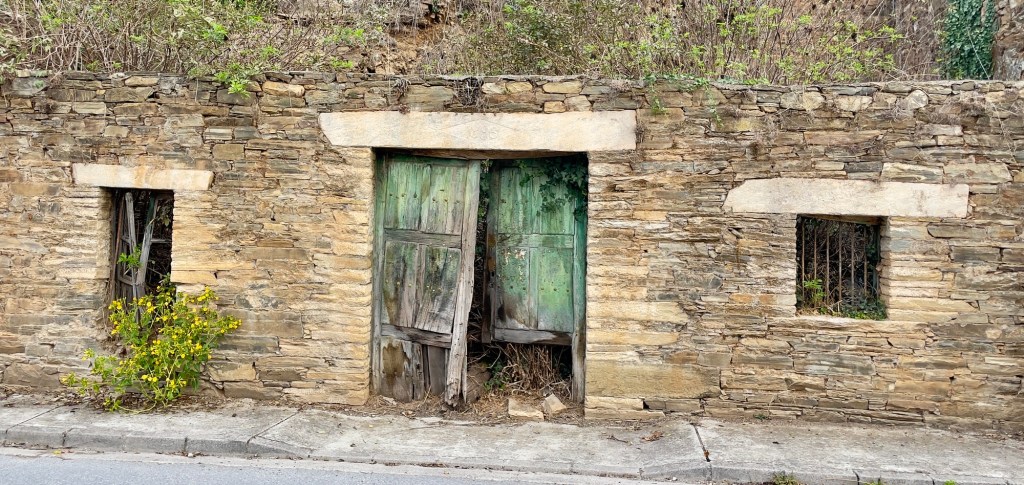
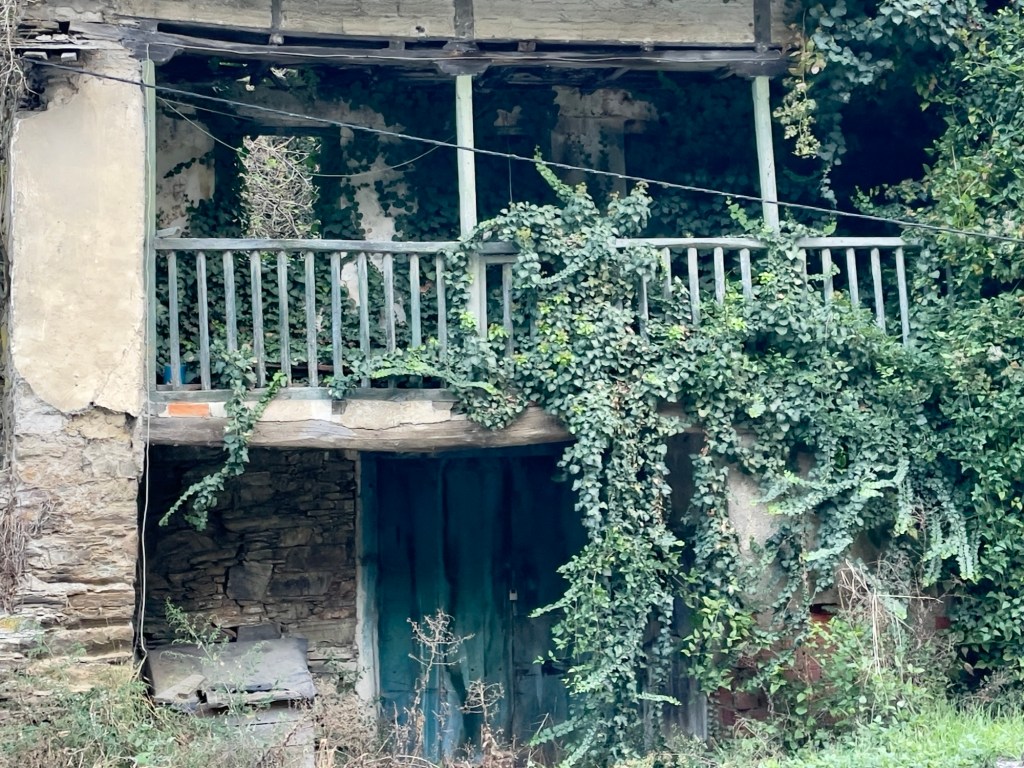
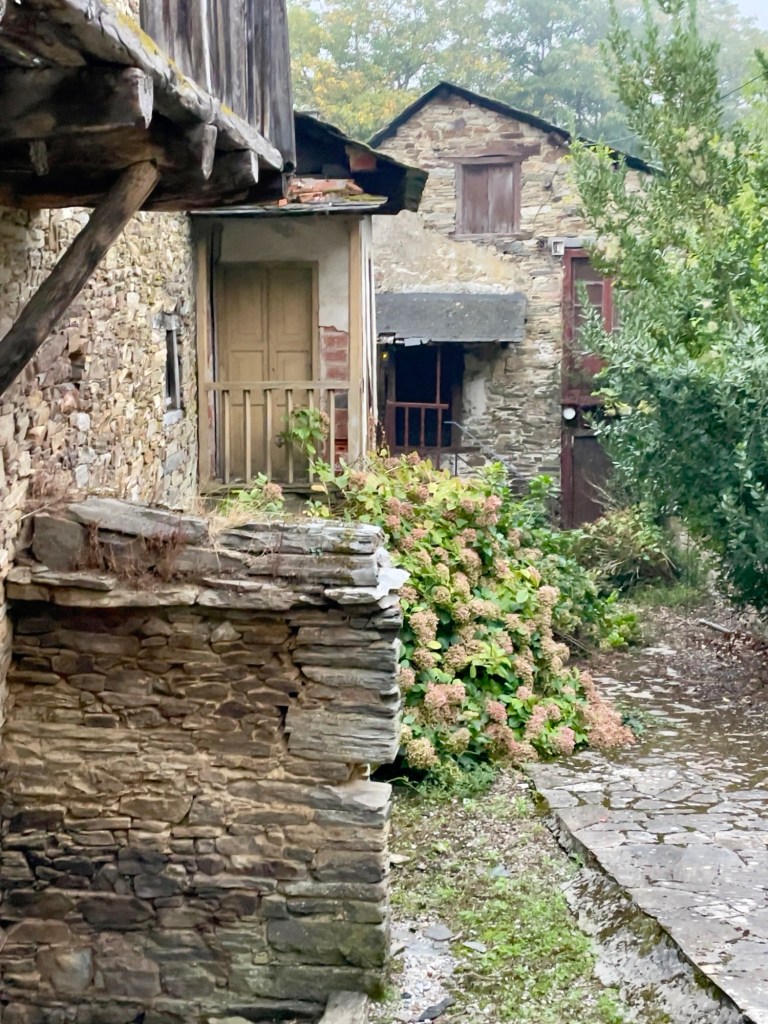
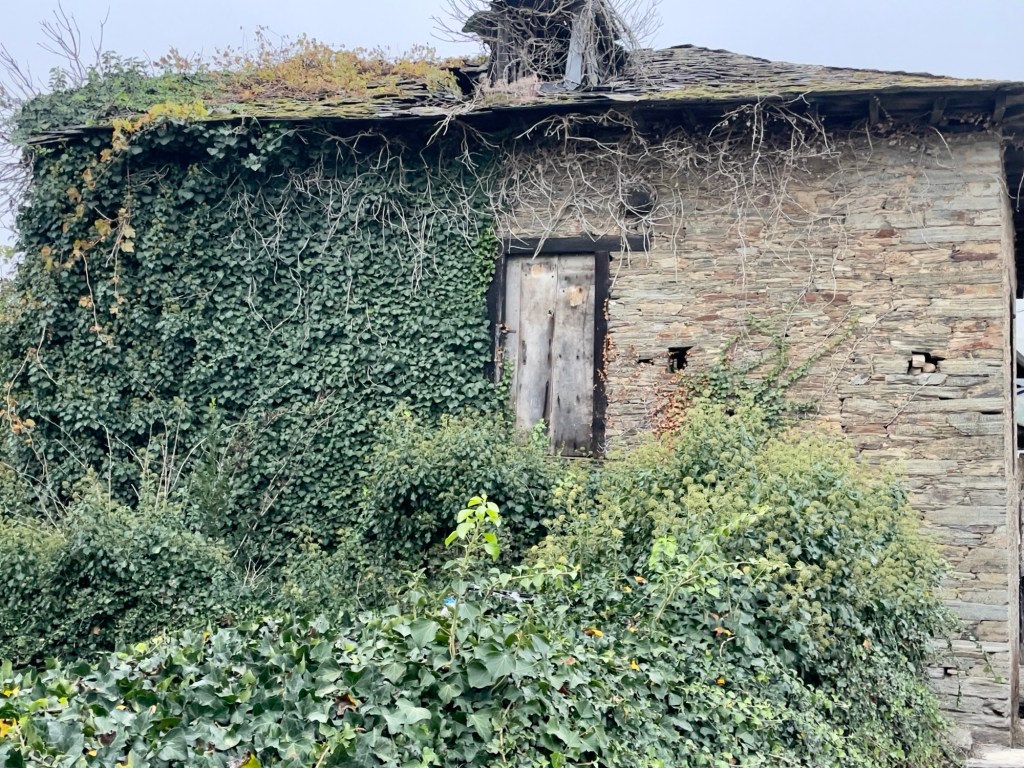
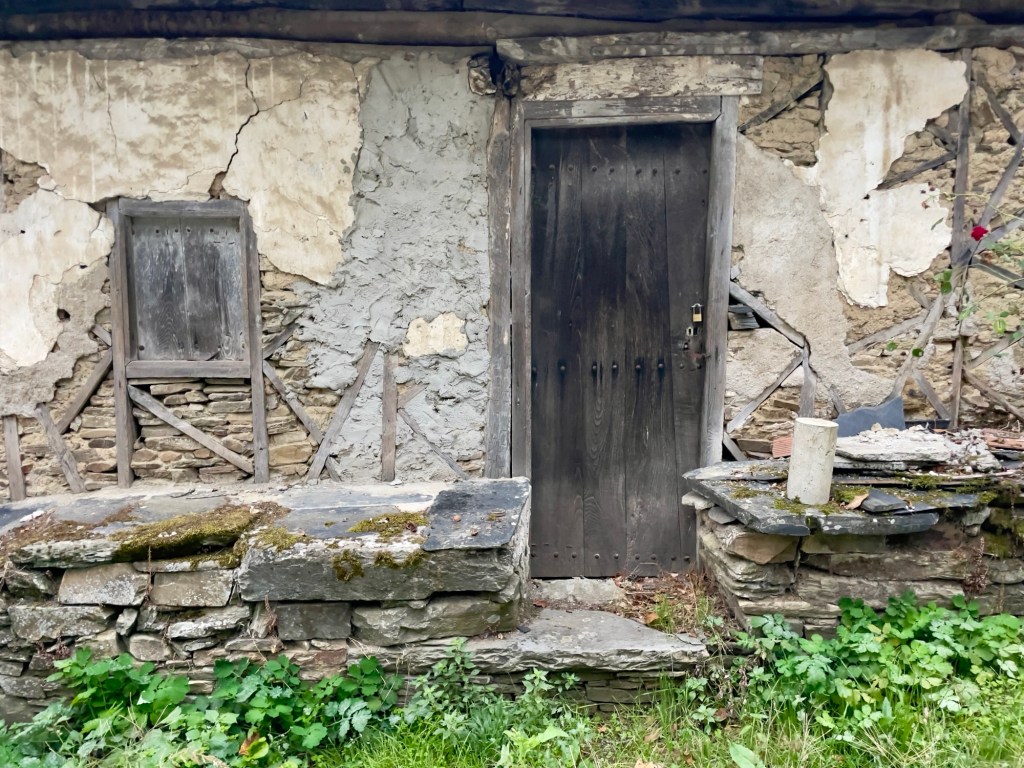
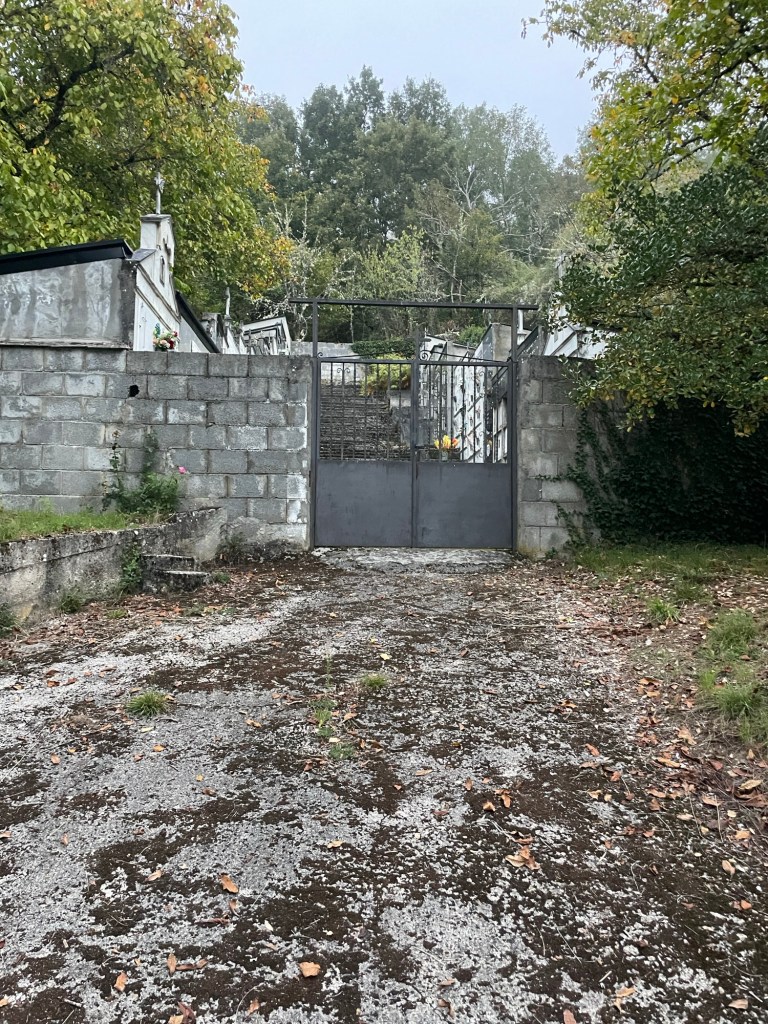
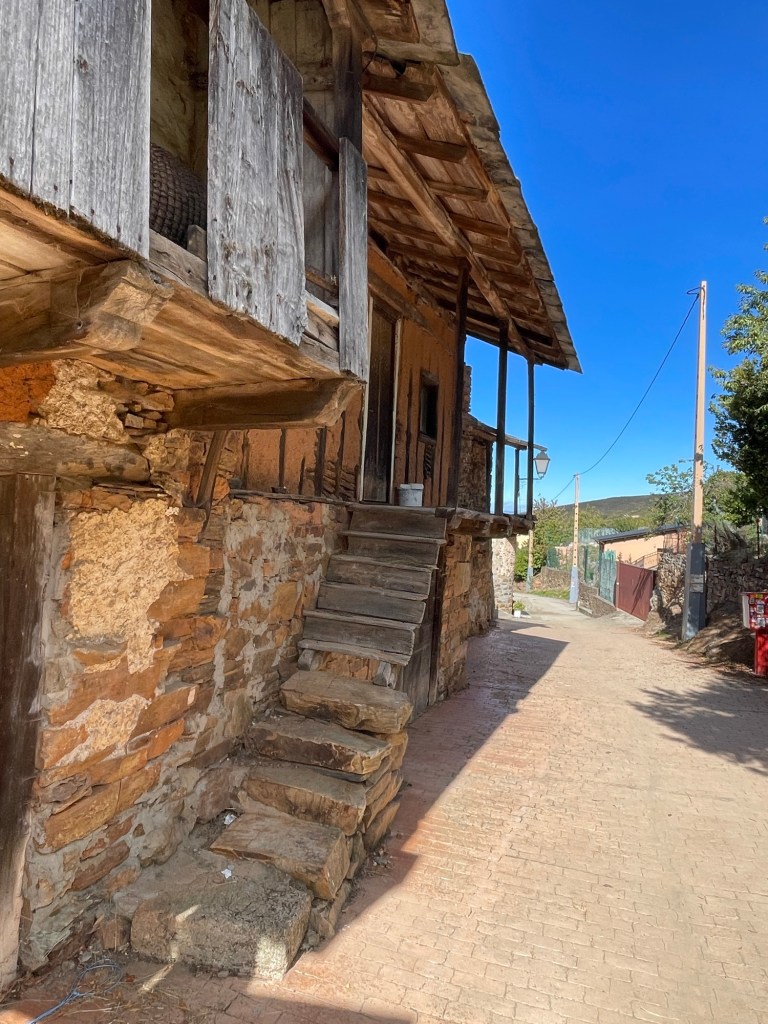
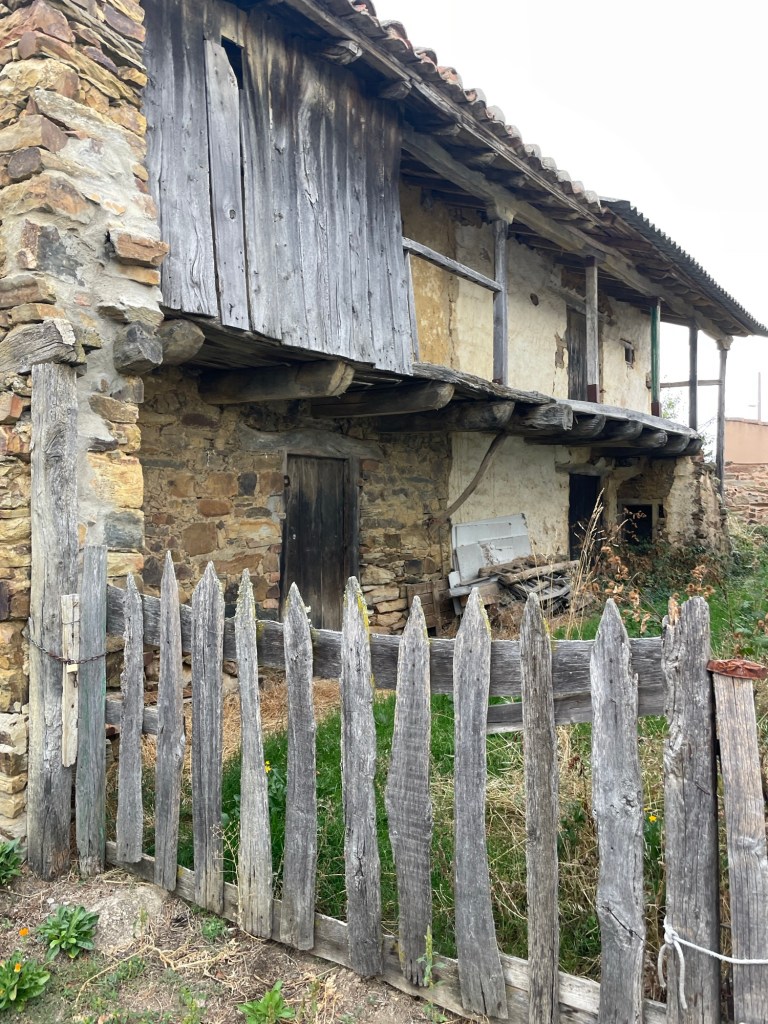
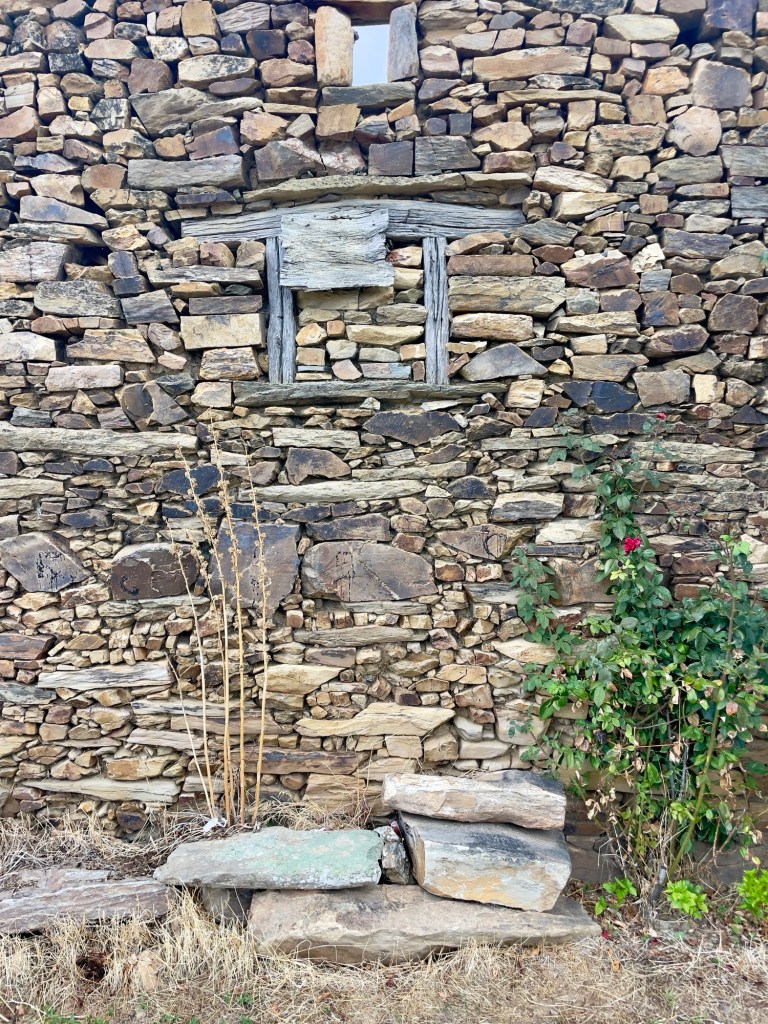
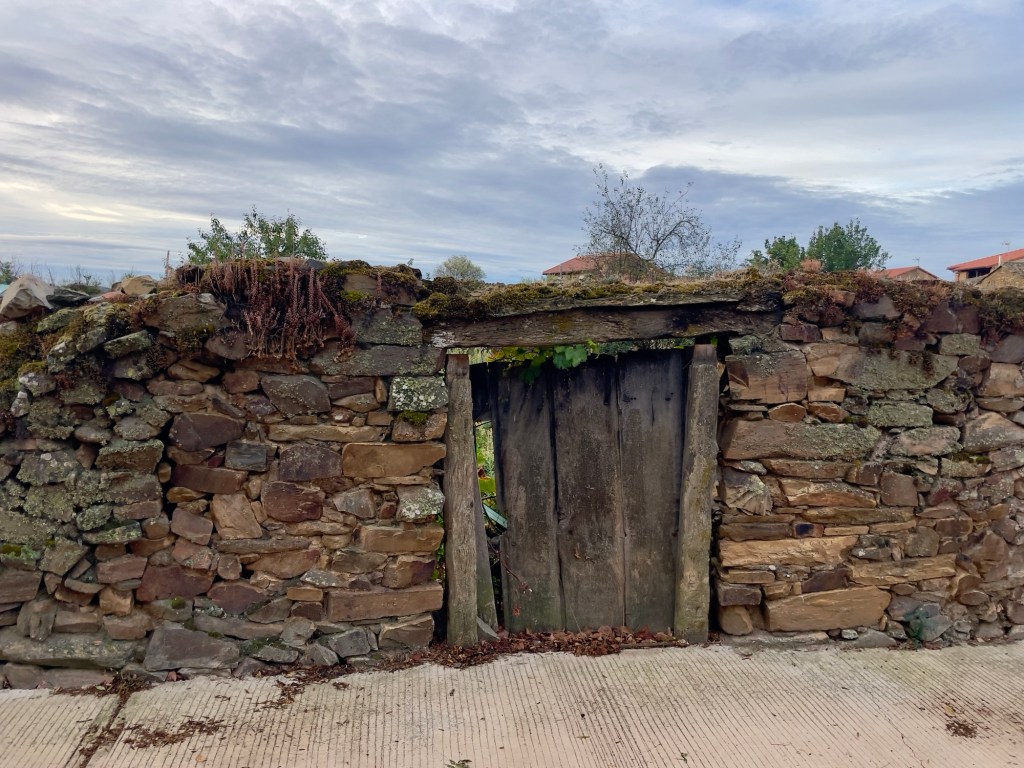
Ah, decay is unique. Every building that is crumbling has its own history, its own signature.
Each one seems to cry out, “I was once a thing of beauty and desire. I gave life. I saw death. I nurtured generations. I sheltered hundreds over the centuries.“
These are just some of the places that tugged at my soul today. Who lived in them? How many generations did they turn out into the world? How many families celebrated and mourned within their walls?
Until one day, that last person closed the door, probably not even with a lock, walked away, never to return.
The weeds, the weather, the impediments of age took over, and the slow-motion dismantling began.
There is sadness in this, but there is beauty.
It is our own life-cycle, writ larger and longer.


Love the descriptive content of your post today … the old buildings and the stories that lived in them once upon a time
LikeLiked by 1 person
Just a gorgeous post today!!
LikeLike